Posted on

Bathing

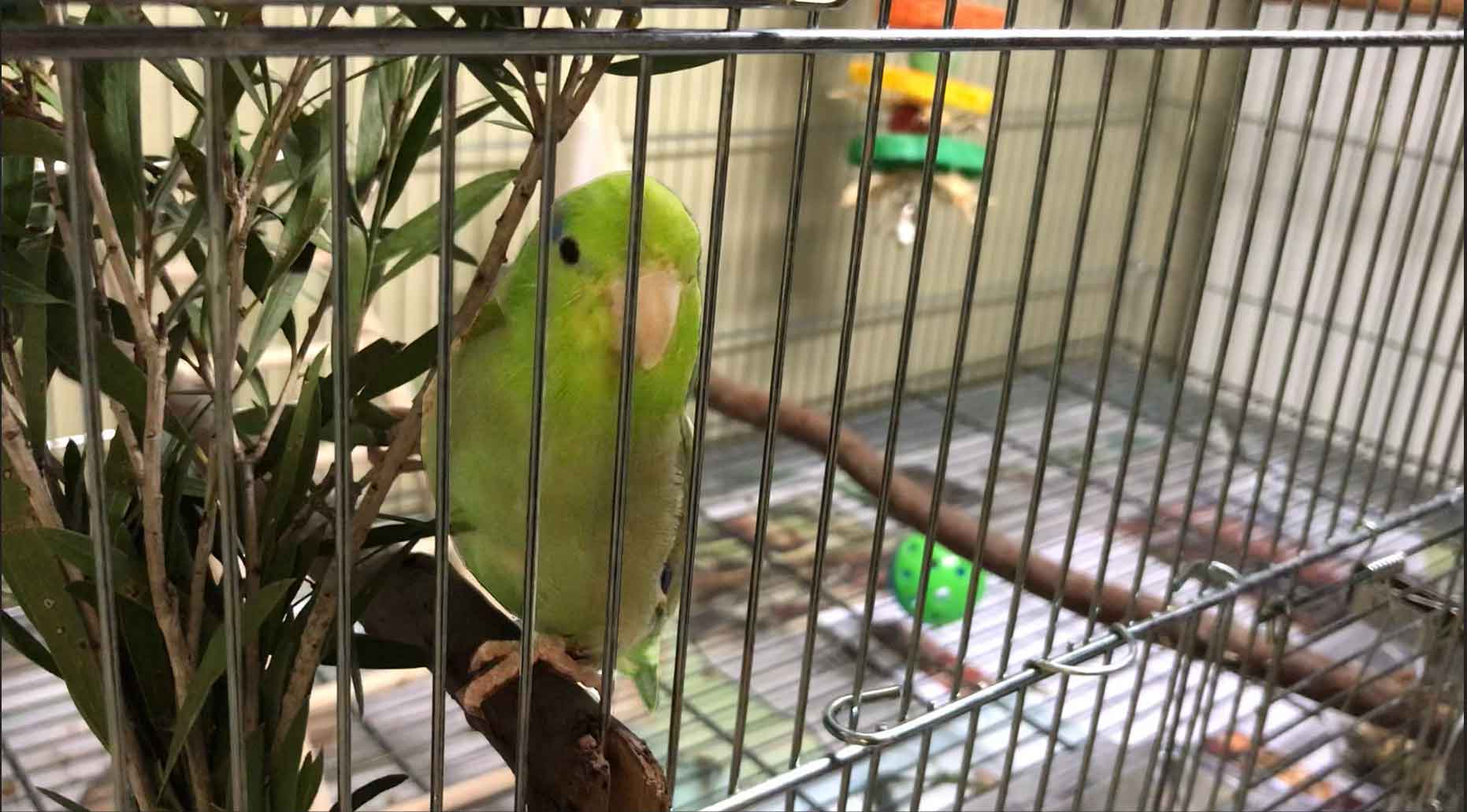
Bathing is important for parrotlets to maintain their plumage. This should be encouraged early in the day when temperatures are expected to be reasonably warm.

Many parrotlets like to take a dip in their water bowl, so we use these to provide water. The act of changing the water can often be a prompt to bathe.

CAUTION: don’t provide only self-filling tube water feeders as your new parrotlet may completely fail to drink from one of these (having never seen one before).

Not all parrotlets will bathe in their water dish. If not, we recommend a lukewarm water misting. Direct the mist from a new, clean spray bottle over your parrotlet, so mist falls from above.

Posted on

Thinking of breeding Parrotlets?

parrotlet-chicks

Spoiler alert: Only experienced breeders need apply

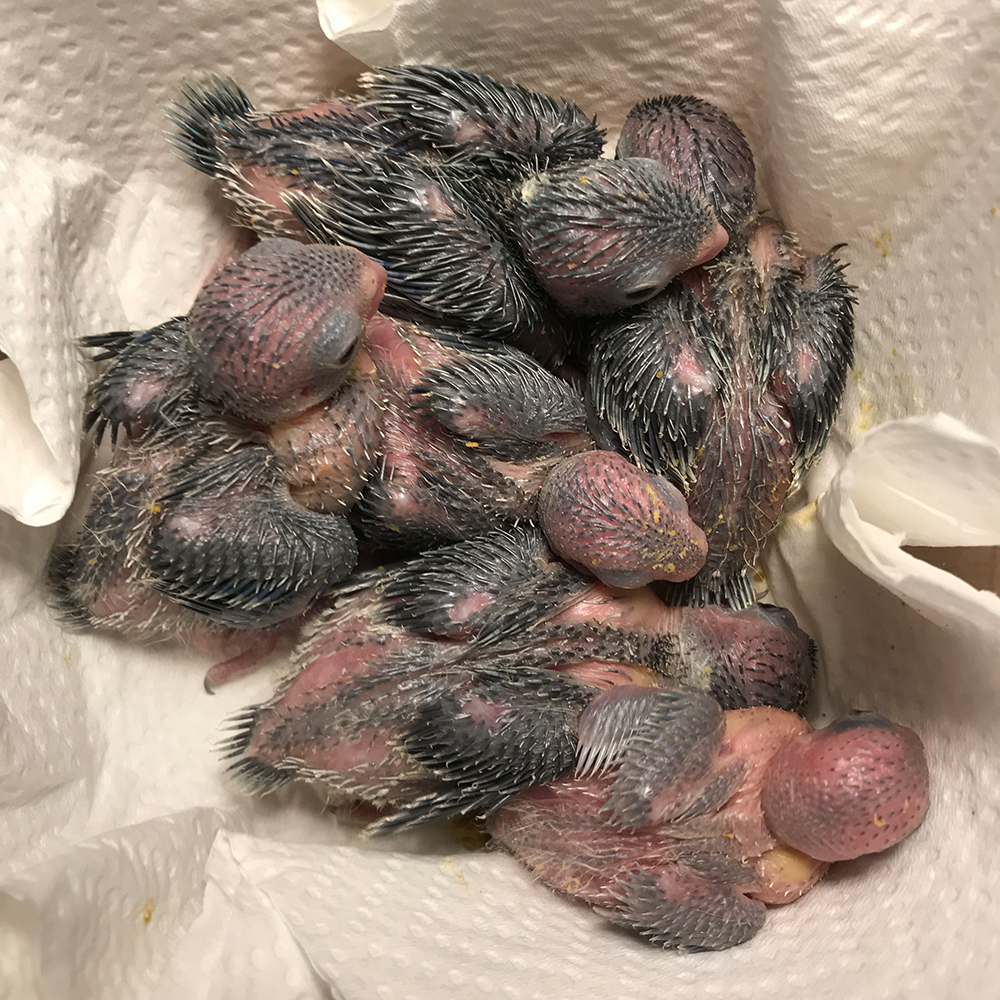
Of the entire animal kingdom, 95% of birds and only 5% of mammals (including humans) are the only creatures that form long term partnerships. The reason for this difference is because of the necessity to raise altricial young. Parrotlets for example, produce totally immature offspring. These altricial young parrotlets are naked (of feathers), blind, helpless, and in need of long-term care; usually for anywhere up to six weeks from hatching. It is therefore this long-term investment in relationships that have allowed both birds and humans to evolve.

This production of altricial offspring is thought to explain the heightened levels of intelligence seen in both birds and humans because the longer the young spend under parental care outside of their mother, the longer their brain has to develop. In fact, a bird and human brain grows to between eight to ten times the size at hatching/birth, compared to all other species who raise precocial young that increase brain size by a mere two to three times.

Thinking about how FAST this growth occurs, and the fact that the brain uses an astonishing 60% of all nutrient intake, it is no wonder that parrotlet parents are kept busy feeding their young. This is not to mention the requirement for maintenance of their young’s body temperature through virtually constant contact with the naked chicks (i.e. brooding). Then there is the incredibly low parent body weight to egg/chick weight ratio with parrotlets.

Unfortunately, parrotlet parents will not always meet these demanding feeding and brooding requirements. There can be many reasons for this such as: a lack of parenting skills/experience, poor diet, illness or death of a parent, or (in light of the above) just due to the high demands of a large nest of more than four chicks. The average nest is around five chicks incidentally. Any such circumstances may present a requirement for the birdkeeper to hand-raise one or more parrotlet chicks to ensure their survival.

As parrotlets are the smallest captivity bred parrots, they are NOT easy to handle for hand raising, especially under emergency conditions with chicks that are less than 14 days of age. Because such dire circumstances cannot be predicted, the only humane thing to do is to be fully prepared for these kinds of eventualities in advance…

It is therefore the view of the author that ANY birdkeeper breeding parrotlets, whether or not they intend on hand-raising the young, must have the following BEFORE allowing parrotlets to breed:

  • personal experience in hand raising of small or medium sized birds
  • a brooder cabinet
  • feeding equipment
  • Hand-raising formula
  • sufficient time/availability to administer five feeds per day for up to six weeks of age

Maintaining an adequate hand-feeding routine and correct brooder temperatures for the hand-raising of parrotlet chicks is both crucial and demanding. These factors can determine the survival or demise of parrotlet offspring within mere hours.

To ensure the health and wellbeing of parrotlets, the specifics for parrotlet breeding such as parent diets, housing, supplementation, dealing with complications such as egg-binding and hand-raising of parrotlets are topics which ought to be thoroughly researched in advance. Even then, parrotlet breeding ought only be attempted by experienced bird breeders with available foster parents, time/resources for hand-raising, or experienced hand-raisers at the ready.

Some may disagree, saying: “No it was easy for me”… and that may be true. Perhaps they had perfect parrotlet parents who raised the young. But it is only easy until the time when it is not.

Posted on

Daily Health Checks

To substantially reduce the potential for serious or fatal illness, all parrotlet owners should make a quick check of their parrotlet(s) and their surrounds for signs of illness daily.

Signs of Illness

Sadly, sick birds can easily be missed until it is too late. This is because as a survival instinct, wild birds will naturally attempt to maintain a normal appearance for as long as possible. Our pets retain this instinct, so to guard their health we need to make daily checks. In doing so, we should observe the less obvious signs such as abnormalities in regard to: droppings, appearance, breathing, posture, movement, food/water intake, fertility, weight, feather changes, or decreased vocalisations.

Evaluation of droppings

Your bird’s droppings are a good indicator of health. But to evaluate them, it is important to be familiar with the three parts they are comprised of:

    1. faecal – the solid part that is often brown in colour, but diet variations affect this
    2. urate – the solid urine component that is often white in colour
    3. urine – a clear liquid urine (this is sometimes difficult to see, and it may also have been absorbed by the cage liner)

The characteristics of normal vs. abnormal droppings are outlined below: 

Normal droppings

      • Seed diet produces black or dark green faeces
      • Formulated (e.g. pellet) diets produce soft brownish faeces
      • Diets high in vegetables and fruit may increase the white (urate) component

Abnormal droppings:

      • decrease in the number and volume of droppings
      • colour of the urates change to green or yellow
      • increase in the urine portion
      • decrease in the faeces to urate ratio
      • presence of blood
      • presence of whole grain

If you spot something that concerns you, some tips are:

    • place a clean white cage liner to improve visibility and focus on new droppings
    • observe the droppings for a whole day to rule out normal variation
    • make a tentative appointment with your avian veterinarian (cancel if not needed)

Early signs of disease

Signs that require non-urgent investigation by an avian veterinarian include:

    • prolonged moult or continual presence of pin feathers
    • broken, bent, picked, or chewed feathers
    • unusual or dull feather colour
    • stained feathers over nares or around the face or vent
    • crusty material in or around nostrils
    • redness, swelling or loss of feathers around eyes
    • flakiness on skin and beak
    • sores on underside of claws
    • lameness or shifting of body weight
    • overgrowth of beak or nails
    • low reproduction

Signs of Serious Illness:

Signs that require first aid and urgent medical support by an avian veterinarian include:

    • significant change in droppings
    • decreased or excessive food or water consumption
    • change in behaviour
    • fluffed posture
    • decreased vocalisation
    • abnormal breathing
    • weight change
    • swellings on body
    • bleeding or injury
    • vomiting or regurgitation
    • discharge from nostrils, eyes, or beak

Emergency First Aid

Arrange to see an avian veterinarian as soon as possible and have an appropriate carry cage to transport your bird safely.

Heat at 28-32 degrees C + humidity is a necessary support for all seriously ill birds. This can be achieved with a “hospital cage” and your avian veterinarian can provide access to one.

Always encourage seriously ill birds to eat and/or provide a crop feed (by an experienced person such as a veterinarian).

Administer electrolyte and energy (glucose) supplementation by dripping water prepared with Spark into the beak using a 3ml Plastic Pipette or eye dropper.

Take away messages

In summary, to reduce the potential for serious or fatal illness in your parrotlet(s) the important messages to take away are:

But there’s more to it!

This article addresses disease detection and initial management; however, disease prevention is just as important. Stay tuned for an article on “Preventative Health” coming soon…

Article contributor:

Dr Ron Woodhead B V Sc

Published by Aussie Parrotlets on 27/05/2020

All rights are reserved by the author