Posted on

The Parrotlet diet – overview

We recommend a varied diet with some (or all) of these key elements:  

Seed
Small Parrot mix or Diet Parrot Mix should always be made available. Seed husks must be removed every few days.  

Supplements
Avian Vitaliser powdered supplement should always be included in the seed supply. Cuttlebone is also necessary for calcium.

Pellets
To support growth, all parrotlets up until at least six months of age need a high protein pellet like Avian Pro Vita.  

Fresh water
Your parrotlet’s water should be changed at least daily. We recommend the addition of Multivet with Moulting Aid to your parrotlet’s water for two (non-consecutive) days per week during moulting. This will ensure your bird does not retain uncomfortable and unsightly ‘pin feathers’ for long periods.  

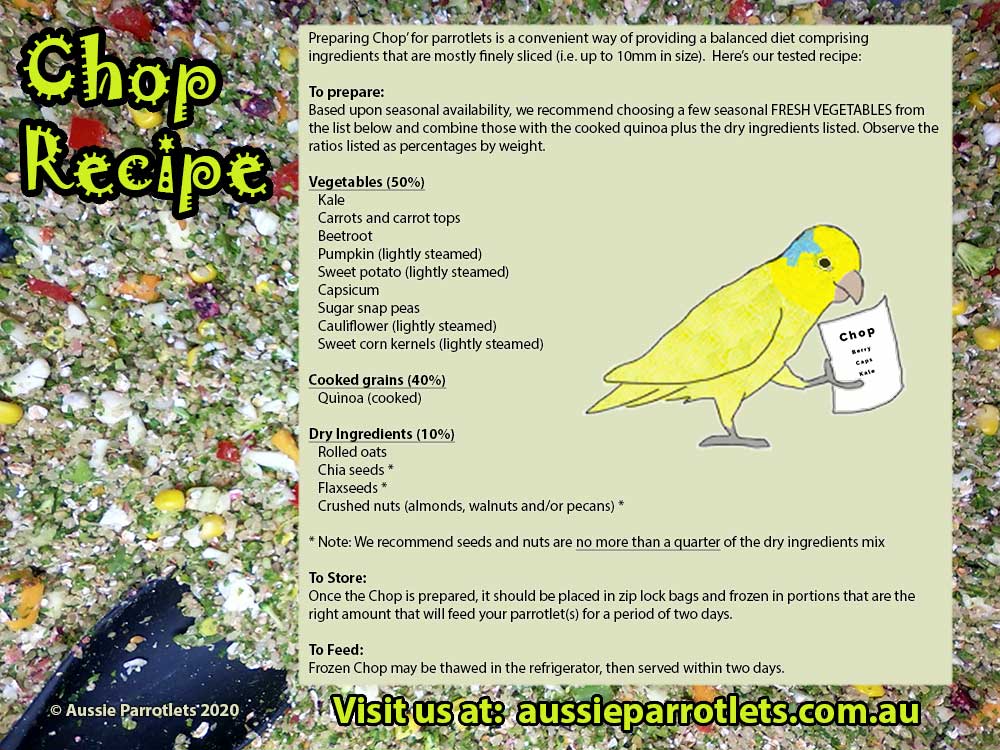
Chop
Certain vegetables, grains, fruits, seeds and nuts are important for your parrotlet’s health. Parrotlet ‘Chop’ is a great way to provide these in balance, with convenience. Simply use the ingredients from the recipe below whenever they are in season. Here is our recipe.  

Treats
Treats such as celery, beetroot leaves, silver beet, millet sprays, raspberry, strawberry or guava can be offered daily although fruits are recommended only occasionally.

Wild foods
Wild foods are FREE and provide your bird with both nutrition and an enriching source of activity. These should be collected from a source area known NOT to have been sprayed with herbicides. Looking around creek beds is a good option. To learn more, see this article.  

Sprouts
Sprouts are an optional, highly nutritious food source that are enjoyed anytime. Full instructions may be found here.  

If you’re starting out with a new bird, then a great place to start is with the Essentials Starter Pack.

Also important to know:
NEVER feed the following…

Potentially lethal:
avocado
chocolate

UNHEALTHY (never feed):
Fatty, salty, processed human foods
dairy products
tea
coffee
alcohol
Posted on

Wild Foods

We have probably all thought to ourselves: “What new treats are out there to offer my bird?” Well, if you are seeking inspiration for greater VARIETY, then look no further than the wild!

Wild foods are a valuable addition to your parrotlet’s diet because they are:

  • an excellent source of micro nutrients
  • an enriching source of activity to devour
  • a source of that all-important VARIETY (to answer the earlier question!)
  • completely FREE to acquire

With a little research and exploration of your local area, wild foods will be found in abundance. They may be collected from any land you are free to enter. Simply looking around creeks, parks or your own yard can yield a harvest.

To start you on your wold foods journey, here are some ideal Australian wild foods to look for. To learn more, simply click the links, then click on the photos to view larger images.

·         Milk Thistle (Sonchus oleraceus L.)

·         Green Amaranth (Amaranthus Viridis)

·         Curled Dock (Rumex Crispus)

·         Dandelions (Taraxacum Officinale)

·         Chick Weed (Stellaria Media)

·         Johnson’s Grass (Sorghum halepense (L.) Pers.)

·         Wild Panicum (Panicum Decompositum)

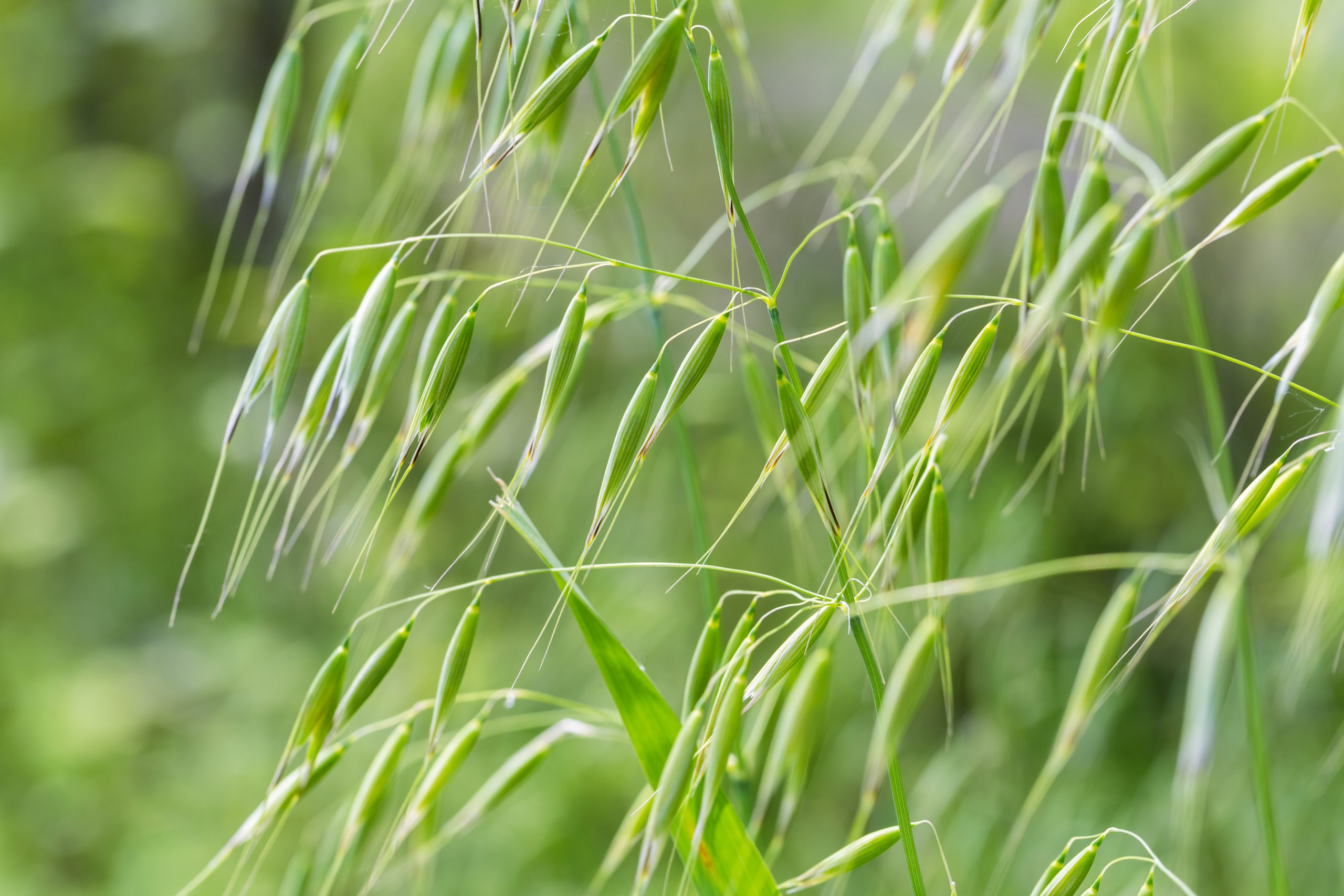
·         Wild Oats (Avena Fatua)

·         Rapeseed (Brassica napus)

·         Canary grass (Phalaris Canariensis)

·         Crowsfoot grass (Eleusine indica)

·         Whisker grass (Cyperus gracilis)

·         White Foxtail (Pennisetum Villosum)

·         Blackberry Nightshades (Solanum nigrum L.)

·         Cobbler’s Pegs (Bidens pilosa)

Whilst finding wild foods is both of great benefit to your bird and a good way to spend time in the great outdoors, there are a couple of challenges with collecting and feeding wild foods. These are: the potential threat of poisoning from herbicides and the problem of seasonality.

It’s important to note that the harvest source must be an area known NOT to have been sprayed with herbicides (i.e. weed killers). It may not be clear initially as if the area was sprayed with a herbicide recently, the grass may look healthy, however the herbicide may not have taken effect yet.

The thought may occur to you that these wild foods are all seasonal. Don’t despair! Simply grab your bag and harvest plenty to be frozen for later use. Up to around three months in the freezer is fine. Whilst you are at it, any ‘bonus’ insects will be killed by the freezing process and therefore unable to invade your home!

Coming back to the herbicide issue: A way of countering the risk of undetected herbicides is to wait a few days after freezing the wild food, then observe the grass (where you harvested). Make sure it is not showing any signs of die-off from herbicide exposure. Once this is confirmed, THEN feed the wild food.

We hope you enjoy getting out and learning about and identifying wild foods for your parrotlet. Special thanks goes to Martin Thorn for his wonderful depth of knowledge in contributing the list of wild foods. All of the links above are courtesy of local council and government authorities.